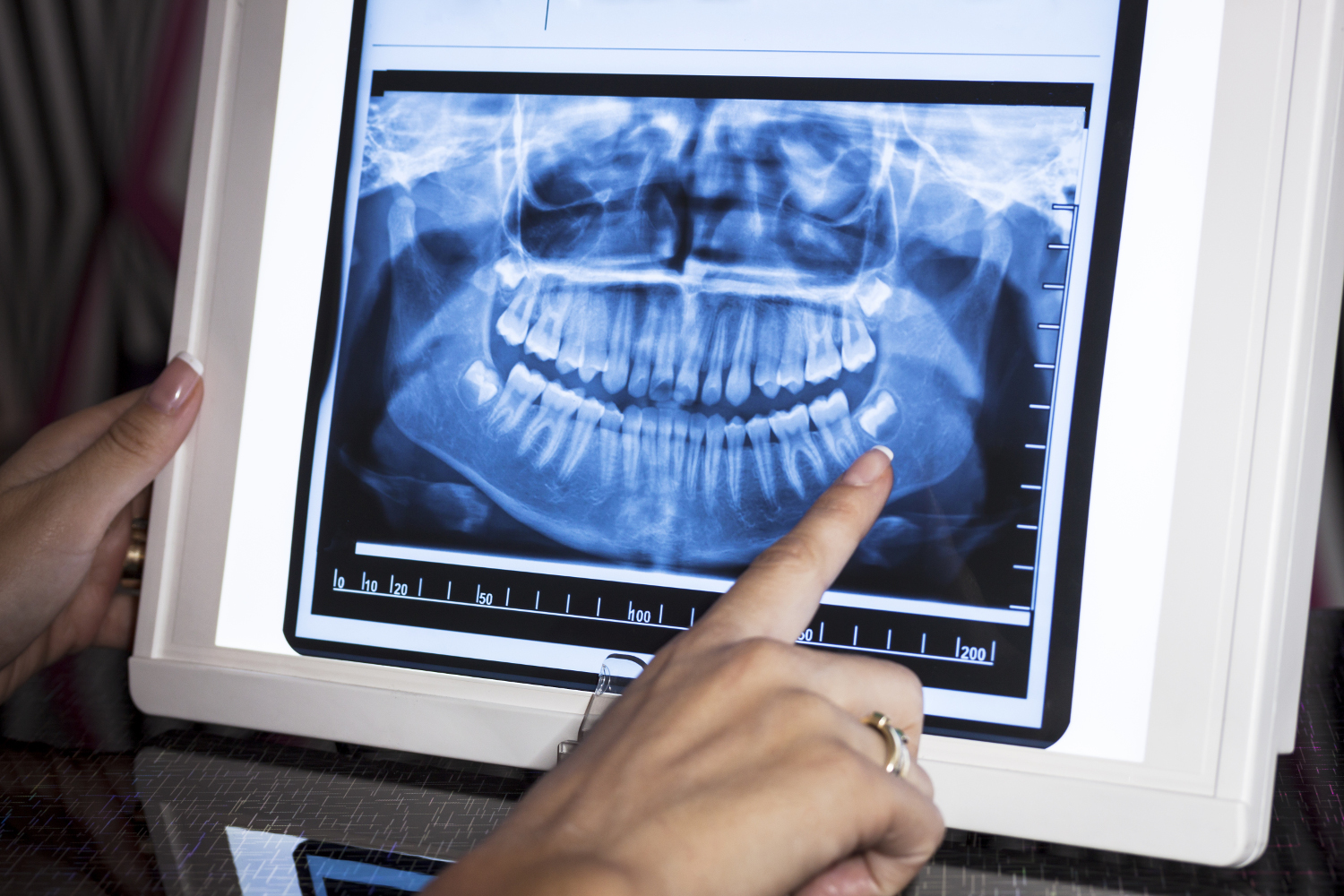
Dental X-rays are pictures of the teeth, bones, and soft tissues around them to help find problems with the teeth, mouth, and jaw. X-ray pictures can show cavities, hidden dental structures (such as wisdom teeth), and bone loss that cannot be seen during a visual examination.
Dental X-rays Safety
TBecause X-ray machines and other sources of dental radiographs are designed to minimize radiation, these processes are safe and your exposure is negligible. Many offices, in fact, are now using digital X-rays, which further reduces radiation exposure.
How Often Are X-rays Needed? Everyone’s oral health varies, and as a result, the dentist will evaluate your needs and recommend an X-ray schedule accordingly. If you’re a new patient, the dentist may advise taking a full series of X-rays or panoramic image to assess your current oral health state, and use this as a baseline going forward. As you continue your regular checkup visits, fewer X-rays are needed to monitor the status of your oral health.
X-ray Types. Bitewing, periapical and panoramic radiographs are the most common X-rays used in the dental office. During routine exams, your dentist may take two to four bitewing x-rays – which show the crown portions of your teeth – to check for early signs of decay between your teeth. When he wants to get a good look at your teeth’s bone height or root tips, periapical X-rays provide the best view.
Your dentist will decide which type of x-ray you need and will explain why you are receiving an x-ray and how the x-ray works. Your dentist or dental assistant will set the machine up and normally leave the room before taking the x-ray. This is to ensure your dentist doesn’t get to much exposure to the machine. Your dentist will only take x-rays when they believe it to be necessary.
If you are pregnant the dentist should only perform an x-ray in an emergency situation.
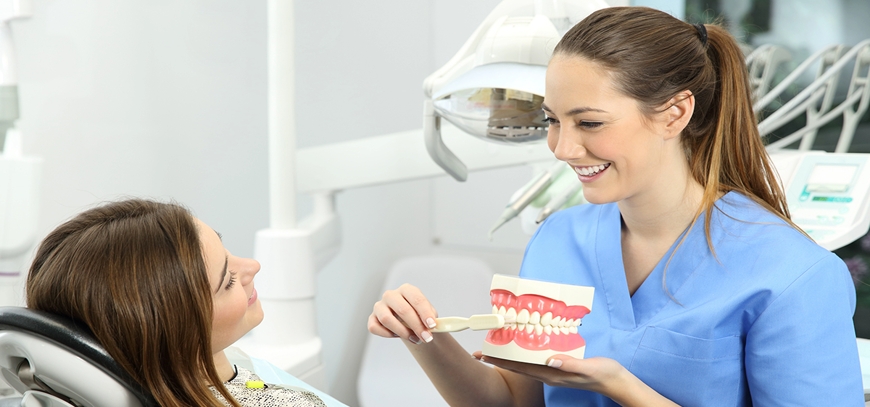
Even though we’ve been brushing and flossing our teeth for years and years, many of us are surprised to learn that we’re not doing it properly.
Did you know that proper brushing takes at least two minutes?
Most adults do not come close to brushing that long. The following four steps are the best and easiest ways to help you remember how to care for your mouth, teeth and gums:-
- Brush at least twice a day with fluoride toothpaste for at least two minutes, especially first thing in the morning and before bedtime
- Floss every day – usually at bedtime
- Limit the number of times you eat snacks each day
- Visit your dentist every six months for an oral exam and professional cleaning
Tips for Brushing Techniques
- Aim the toothbrush at a 45 degree angle towards the gum line
- Use a pea-sized amount of toothpaste
- Use a gentle circular motion
- Repeat on the inside surfaces
- Use a light back and forth motion on the chewing surfaces
- Spit out the toothpaste after brushing.
Expert recommendations. Always use a toothbrush with soft or extra-soft bristle. The harder the brush, the greater the risk of harming your gums.
Bristle options. Manual toothbrushes or replacement heads for your electric toothbrush are available with hard, medium, or soft nylon bristles. Soft bristles are the safest and most comfortable option for most people. You could damage the enamel protecting your teeth, root surface, and gums depending on the strength of the bristles and how vigorously you brush your teeth. Rounded bristle tips offer even more protection.
Change your toothbrush regularly. Throw away your old toothbrush after three months or when the bristles start to flare, whichever comes first. If your bristles flare much sooner than every three months, you may be brushing too hard. Try easing up.