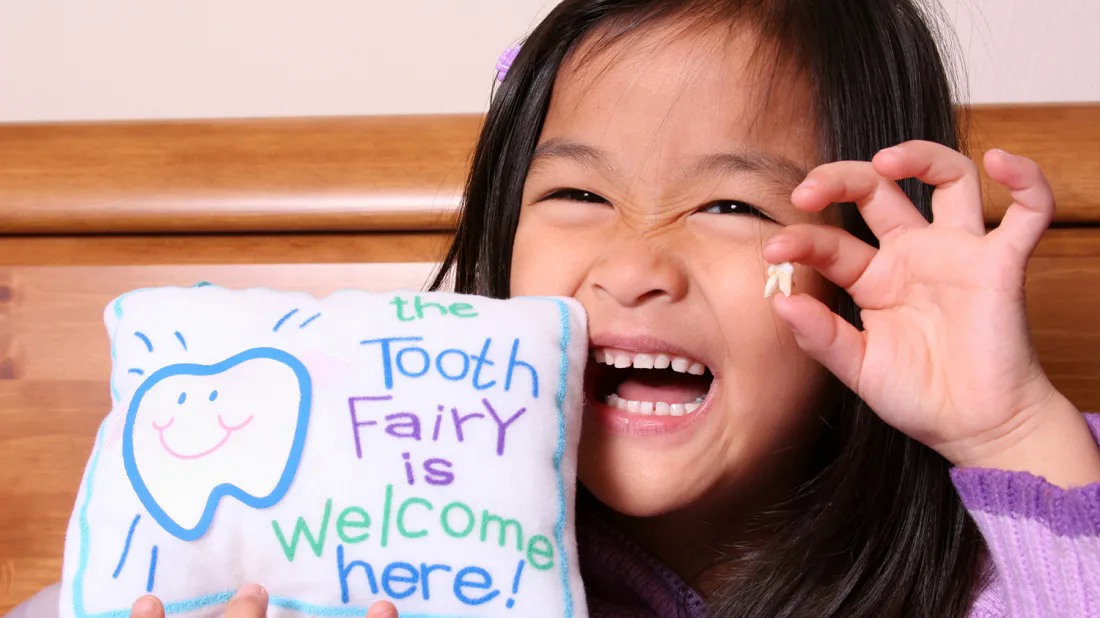
Although cultures around the world have traditions for marking a child’s lost tooth, the tooth fairy is a relatively recent and specifically American myth. Various peoples from Asia to Central America have a practice of leaving a lost tooth as an offering for some kind of animal in exchange for a healthy new one. Historians believe the American tooth fairy may have been inspired by this tradition, combined with European folklore about good fairies giving gifts or granting wishes.
What’s the point of the tooth fairy?
Baby teeth are a unique commodity in that supply and demand are always, somehow, perfectly balanced; the tooth fairy buys exactly as many as are available. Parents have come up with all sorts of explanations over the years for what she does with them. As you might expect from a children’s story about deciduous body parts, these accounts are a strange mix of whimsical and grotesque.
Expert recommendations. A lot of parents like to celebrate a first lost tooth with little toys or gifts instead of money, as their own tooth fairy traditions. Maybe a LEGO or temporary tattoos. Another option for that special first tooth is this personalized wooden tooth fairy box. It’s the gift that keeps on giving, since kids can use it for the rest of those baby teeth that will be coming out.
If you can handle the glitter clean-up, some parents like to sprinkle just a wee bit of glitter around the money or gift that’s left under your child’s pillow as proof that she’s been there to visit. Magical. Another option is to spray glitter on a coin or bill itself. We’ve even heard about trails of glitter leading up to a child’s bedroom door, with teeny footprints in them–just about the size of a Barbie shoe, coincidentally. Just be sure you don’t have wall-to-wall carpeting for that one.
Creative tooth fairy ideas can also incorporate dental care education and establish good brushing habits. Reinforcing the importance of dental care routines by using notes written by the tooth fairy is a fun way to remind kids to brush and floss. Printable tooth fairy receipts and note cards are available online, or you can design your own using notepaper and glitter for fairy dust to make the experience seem even more authentic.
Tooth containers are another popular item associated with visits from the tooth fairy. Mini treasure chests are an option. Tooth-shaped pillows or monogrammed pillows with pockets to hold the lost tooth will help to avoid losing the important item before the tooth fairy arrives to collect it.
Oral hygiene is essential for your overall wellbeing, not just your oral health. In fact, gum disease is a major risk factor for developing certain dangerous health conditions, such as diabetes
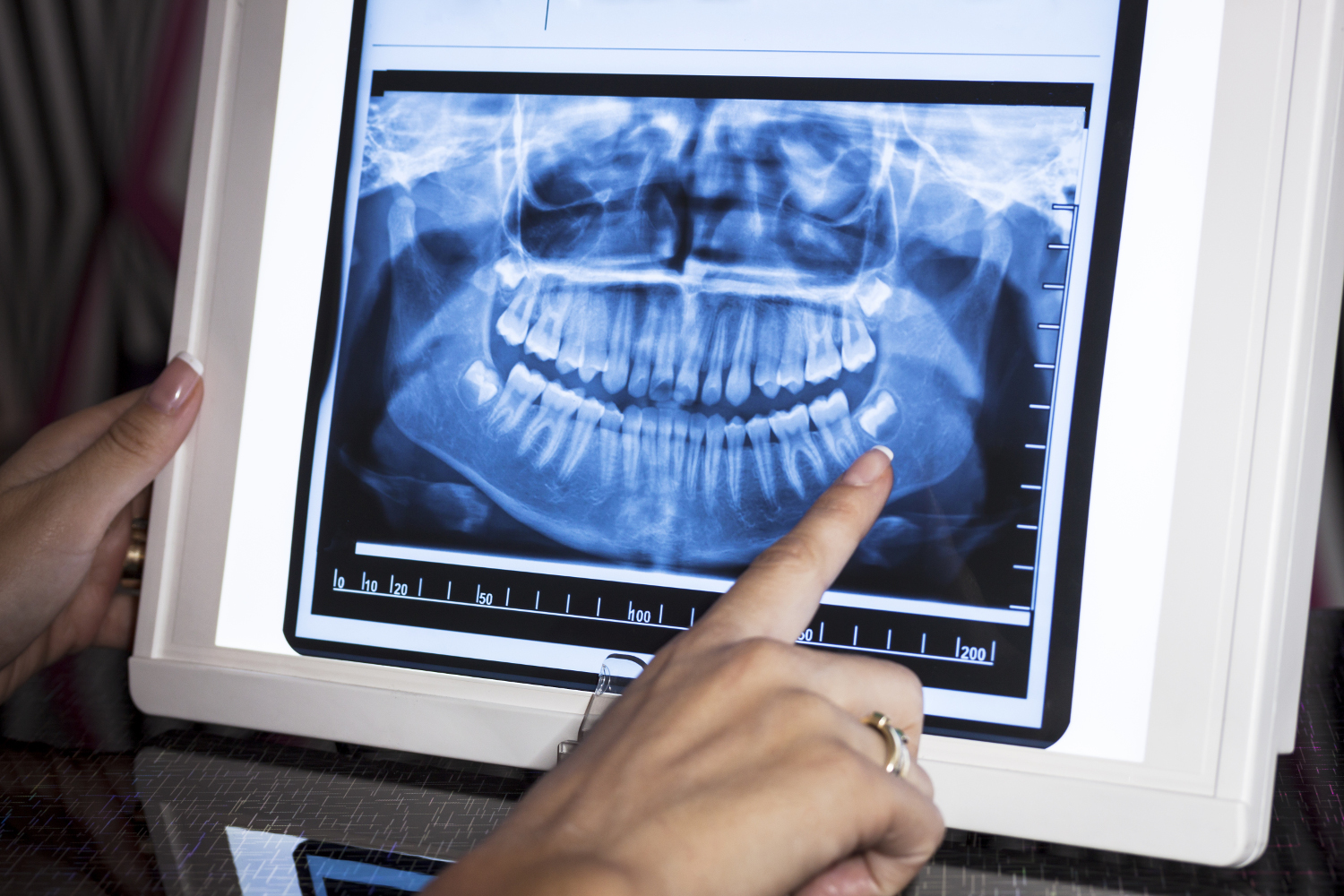
Dental X-rays are pictures of the teeth, bones, and soft tissues around them to help find problems with the teeth, mouth, and jaw. X-ray pictures can show cavities, hidden dental structures (such as wisdom teeth), and bone loss that cannot be seen during a visual examination.
Dental X-rays Safety
TBecause X-ray machines and other sources of dental radiographs are designed to minimize radiation, these processes are safe and your exposure is negligible. Many offices, in fact, are now using digital X-rays, which further reduces radiation exposure.
How Often Are X-rays Needed? Everyone’s oral health varies, and as a result, the dentist will evaluate your needs and recommend an X-ray schedule accordingly. If you’re a new patient, the dentist may advise taking a full series of X-rays or panoramic image to assess your current oral health state, and use this as a baseline going forward. As you continue your regular checkup visits, fewer X-rays are needed to monitor the status of your oral health.
X-ray Types. Bitewing, periapical and panoramic radiographs are the most common X-rays used in the dental office. During routine exams, your dentist may take two to four bitewing x-rays – which show the crown portions of your teeth – to check for early signs of decay between your teeth. When he wants to get a good look at your teeth’s bone height or root tips, periapical X-rays provide the best view.
Your dentist will decide which type of x-ray you need and will explain why you are receiving an x-ray and how the x-ray works. Your dentist or dental assistant will set the machine up and normally leave the room before taking the x-ray. This is to ensure your dentist doesn’t get to much exposure to the machine. Your dentist will only take x-rays when they believe it to be necessary.
If you are pregnant the dentist should only perform an x-ray in an emergency situation.
Even though we’ve been brushing and flossing our teeth for years and years, many of us are surprised to learn that we’re not doing it properly.
Did you know that proper brushing takes at least two minutes?
Most adults do not come close to brushing that long. The following four steps are the best and easiest ways to help you remember how to care for your mouth, teeth and gums:-
- Brush at least twice a day with fluoride toothpaste for at least two minutes, especially first thing in the morning and before bedtime
- Floss every day – usually at bedtime
- Limit the number of times you eat snacks each day
- Visit your dentist every six months for an oral exam and professional cleaning
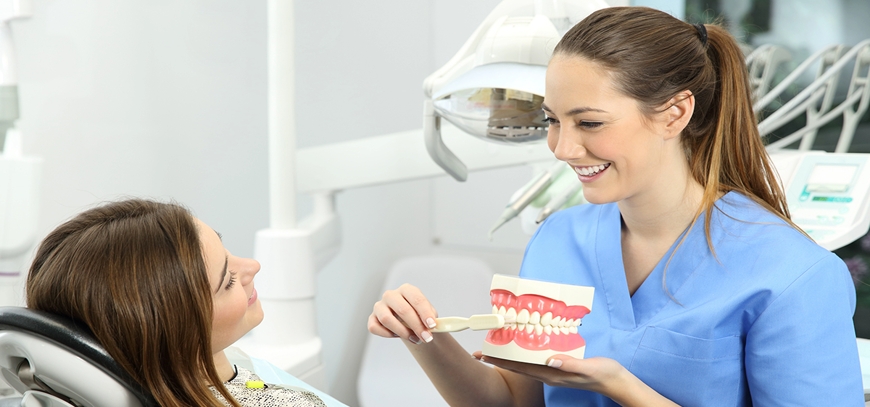
Tips for Brushing Techniques
- Aim the toothbrush at a 45 degree angle towards the gum line
- Use a pea-sized amount of toothpaste
- Use a gentle circular motion
- Repeat on the inside surfaces
- Use a light back and forth motion on the chewing surfaces
- Spit out the toothpaste after brushing.
Expert recommendations. Always use a toothbrush with soft or extra-soft bristle. The harder the brush, the greater the risk of harming your gums.
Bristle options. Manual toothbrushes or replacement heads for your electric toothbrush are available with hard, medium, or soft nylon bristles. Soft bristles are the safest and most comfortable option for most people. You could damage the enamel protecting your teeth, root surface, and gums depending on the strength of the bristles and how vigorously you brush your teeth. Rounded bristle tips offer even more protection.
Change your toothbrush regularly. Throw away your old toothbrush after three months or when the bristles start to flare, whichever comes first. If your bristles flare much sooner than every three months, you may be brushing too hard. Try easing up.
Oral hygiene is essential for your overall wellbeing, not just your oral health. In fact, gum disease is a major risk factor for developing certain dangerous health conditions, such as diabetes
Dentists say that the most important part of tooth care happens at home. Brushing and flossing properly, along with regular dental checkups, can help prevent tooth decay and gum disease.
If you’re like most people, you don’t exactly look forward to facing a dentist’s drill. So wouldn’t it be better to prevent cavities before they begin?
Giving Plaque the Brush-Off
TTo prevent cavities, you need to remove plaque, the transparent layer of bacteria that coats the teeth. The best way to do this is by brushing your teeth twice a day and flossing at least once a day. Brushing also stimulates the gums, which helps to keep them healthy and prevent gum disease. Brushing and flossing are the most important things that you can do to keep your teeth and gums healthy.
Expert recommendations. If you have teeth that are sensitive to heat, cold, and pressure, you may want to try a special toothpaste for sensitive teeth.
Dental caries (tooth decay) can attack the teeth at any age. In fact, 84% of 17-year-olds have the disease. Left untreated, caries can cause severe pain and result in tooth loss. Losing teeth affects how you look and feel about yourself as well as your ability to chew and speak. Treating caries is also expensive. So prevention and early treatment are important.
It may surprise you to know that 60% of 15-year-olds experience gingivitis, the first stage of gum disease. Gingivitis, which involves the gums but not the underlying bone and ligament, is almost always caused by an accumulation of plaque. As with caries, treatment can be expensive.
If you remove plaque regularly and follow good oral hygiene habits, your gums usually will return to their healthy state. However, more serious gum disease can cause gums to swell, turn red, and bleed, and sometimes causes discomfort. How dentists treat gum disease depends on the extent of the disease.