020 8882 3909
33 The Green, Winchmore Hill, London N21 1HS
info@dentistonthegreen.com
Finest Dental Studio in Winchmore Hill London
  • Home
  • About Us
    • About Our Clinic
    • Meet Our Team
    • Dentists Schedule
  • Patient Journey
    • Covid-19
    • Medical Forms
  • Our Dental Services
    • At Glance
    • Treatments
      • Cosmetic Dentistry
        • Cosmetic Orthodontics
        • White Fillings
        • Porcelain Veneers
        • Teeth Whitening
        • Inlays and Onlays
      • General Dentistry
        • Root Canal Therapy
        • Nervous Patients
        • Jaw Joint Problems
        • Pregnant Woman
        • Snoring and Sleep Apnoea Solutions
        • Dental Hygiene
      • Childrens Dentistry
        • Dental Emergencies
        • Exams and Dental Cleanings
        • Dental Sedation
        • Digital XRays
        • Fluoride Treatments
        • Dental Restorations
      • Dental Implants
        • Same Day Implants
        • Implant Bridges
        • Dental Implants
        • All on 4
      • Orthodontics
        • Invisalign
        • Clearcorrect
        • Six Month Smiles
      • Dental Emergencies
        • Bleeding and Haemorrhage
        • Serious Infection
        • Visible swelling in the mouth
        • Severe pain
        • Injuries from accident
      • Periodontics
        • Gingivitis
        • Levels of Periodontitis
      • Dental Surgery
        • Teeth extraction
        • Curettage
        • Plastic surgery
        • Other surgeries
      • Prosthodontics
        • Dentures
        • Veneers
  • Teeth Gallery
    • Simple Gallery
    • Creative Gallery
  • Blog
    • Blog Single Post
    • Blog Posts
  • Contact Us
  • Jobs
Location
Opening Hours
Working Time
Monday 09:00 – 18:00
Tuesday 09:00 – 18:00
Wednesday 09:00 – 18:00
Thursday 08:00 – 17:00
Friday 09:00 – 18:00
Saturday CLOSED
Sunday CLOSED
Request Form
Request Form

    user-3

    email-2

    smartphone

    birthday-cake-with-candle

    tooth

    calendar


    Please prove you are human by selecting the plane.

    Dentists Timetable
    Doctors Timetable

    This simply works as a guide and helps you to connect with dentists of your choice. Please confirm the doctor’s availability before leaving your premises.

    Details
    Pricing
    Quick Pricing
    New Patient Emergencies £65
    Routine Dental Check-up (No X-ray) £40
    Routine Hygiene £65
    Cosmetic and Braces £65
    Teeth Whitening (From) £350
    Details
    Contact US
    Emergency Case

    Emergency dental care may be needed if you have had a blow to the face, lost a filling, or cracked a tooth.

    • 020 8882 3909
    • info@dentistonthegreen.com
    Our Contacts
    +
    HomeBlog Posts
    21Aug

    Smile For Your Health!

    by Shaf

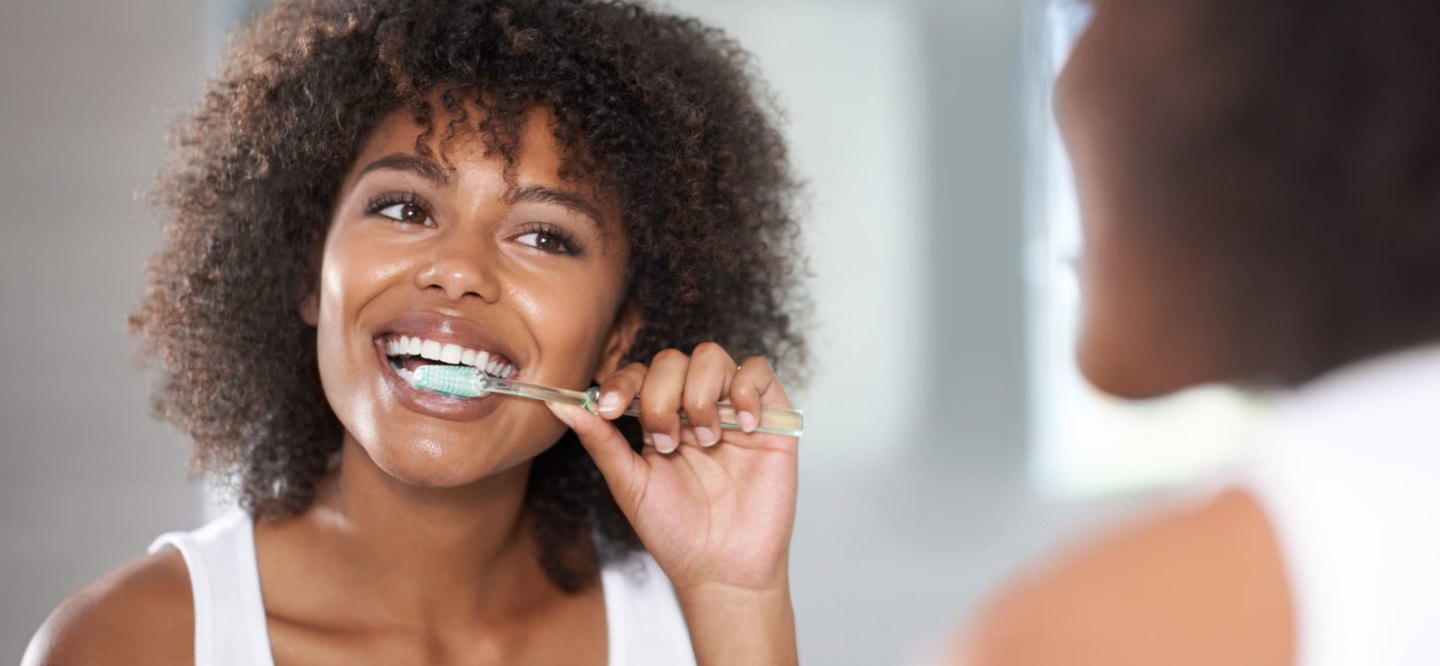
    A healthy mouth can be a great asset. Our teeth have such an important role to play in our lives. They help us chew and digest food, they help us to talk and speak clearly and they also give our face its shape.

    A smile also has other day-to-day benefits. It can give us greater confidence, as well as influence our social lives, careers and relationships. Because of this, it only makes sense to give our oral health the best care possible.

    Keeping our teeth for life

    By brushing our teeth twice daily, maintaining a low-in-sugar diet and regularly visits to our dental professional, we can help reduce the risk of such diseases like dental decay and gum disease – both of which can result in tooth loss.

    Research has found that the number of teeth we have is a strongly linked to how long we will live. Those with 20 teeth or more at the age of 70 had a considerably higher chance of living longer than those with less than 20 teeth.

    Tooth loss through dental decay and gum disease are almost entirely preventable and there’s no reason why, with a good daily oral health routine, we cannot keep our teeth for life.

    Maintaining our appearance. Keeping our teeth clean and healthy can help us steer clear of bad breath (halitosis). Bad breath is very common and is often caused by a buildup of plaque and is a symptom of gum disease and tooth decay, as well as being embarrassing and undesirable.


    Another very common condition that can affect our appearance is tooth staining. Tooth staining is natural and comes with the ‘wear and tear’ usually associated with smoking, or drinking lots of tea, coffee or red wine.

    Stained teeth are not usually harmful and tends to have little impact on the health of our teeth. Although having stained teeth can make us feel a little self-conscious.

    In most cases we should be able to prevent surface staining with regular cleaning, while more stubborn stains may need to be tackled by a dental professional.

    Reducing the risk of disease. When we have gum disease, the bacteria from our mouth can get into the bloodstream. It then produces a protein which causes the blood to thicken. This means that clots are more likely to form, and the heart is not getting the nutrients and oxygen it needs, resulting in increased risk of a heart attack.

    Similarly, gum disease can also cause inflammation of the blood vessels, blocking the blood supply to the brain, leading to a potential stroke.

    New research has also shown that we are more likely to develop diabetes if we have gum disease.
     
    21Aug

    Tooth Fairy Traditions

    by Shaf

    Although cultures around the world have traditions for marking a child’s lost tooth, the tooth fairy is a relatively recent and specifically American myth. Various peoples from Asia to Central America have a practice of leaving a lost tooth as an offering for some kind of animal in exchange for a healthy new one. Historians believe the American tooth fairy may have been inspired by this tradition, combined with European folklore about good fairies giving gifts or granting wishes.

    What’s the point of the tooth fairy?

    Baby teeth are a unique commodity in that supply and demand are always, somehow, perfectly balanced; the tooth fairy buys exactly as many as are available. Parents have come up with all sorts of explanations over the years for what she does with them. As you might expect from a children’s story about deciduous body parts, these accounts are a strange mix of whimsical and grotesque.

    Expert recommendations. A lot of parents like to celebrate a first lost tooth with little toys or gifts instead of money, as their own tooth fairy traditions. Maybe a LEGO or temporary tattoos. Another option for that special first tooth is this personalized wooden tooth fairy box. It’s the gift that keeps on giving, since kids can use it for the rest of those baby teeth that will be coming out.


    If you can handle the glitter clean-up, some parents like to sprinkle just a wee bit of glitter around the money or gift that’s left under your child’s pillow as proof that she’s been there to visit. Magical. Another option is to spray glitter on a coin or bill itself. We’ve even heard about trails of glitter leading up to a child’s bedroom door, with teeny footprints in them–just about the size of a Barbie shoe, coincidentally. Just be sure you don’t have wall-to-wall carpeting for that one.

    Creative tooth fairy ideas can also incorporate dental care education and establish good brushing habits. Reinforcing the importance of dental care routines by using notes written by the tooth fairy is a fun way to remind kids to brush and floss. Printable tooth fairy receipts and note cards are available online, or you can design your own using notepaper and glitter for fairy dust to make the experience seem even more authentic.

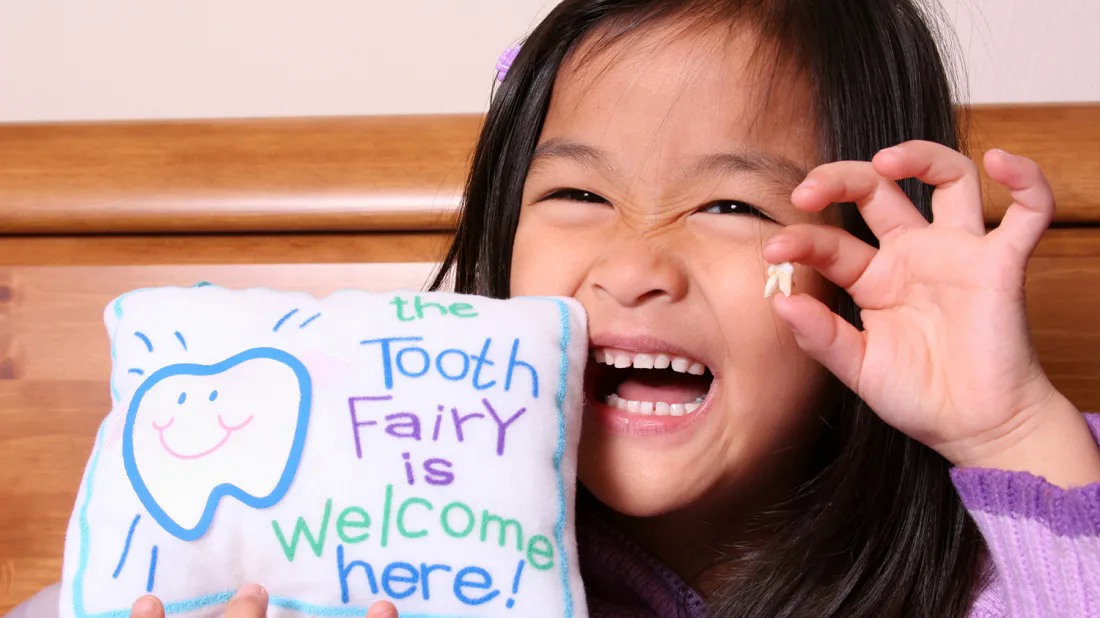
    Tooth containers are another popular item associated with visits from the tooth fairy. Mini treasure chests are an option. Tooth-shaped pillows or monogrammed pillows with pockets to hold the lost tooth will help to avoid losing the important item before the tooth fairy arrives to collect it.

    21Aug

    Dental Screening & X-Rays

    by Shaf

    Dental X-rays are pictures of the teeth, bones, and soft tissues around them to help find problems with the teeth, mouth, and jaw. X-ray pictures can show cavities, hidden dental structures (such as wisdom teeth), and bone loss that cannot be seen during a visual examination.

    Dental X-rays Safety

    TBecause X-ray machines and other sources of dental radiographs are designed to minimize radiation, these processes are safe and your exposure is negligible. Many offices, in fact, are now using digital X-rays, which further reduces radiation exposure.

    How Often Are X-rays Needed? Everyone’s oral health varies, and as a result, the dentist will evaluate your needs and recommend an X-ray schedule accordingly. If you’re a new patient, the dentist may advise taking a full series of X-rays or panoramic image to assess your current oral health state, and use this as a baseline going forward. As you continue your regular checkup visits, fewer X-rays are needed to monitor the status of your oral health.

    X-ray Types. Bitewing, periapical and panoramic radiographs are the most common X-rays used in the dental office. During routine exams, your dentist may take two to four bitewing x-rays – which show the crown portions of your teeth – to check for early signs of decay between your teeth. When he wants to get a good look at your teeth’s bone height or root tips, periapical X-rays provide the best view.

    Your dentist will decide which type of x-ray you need and will explain why you are receiving an x-ray and how the x-ray works. Your dentist or dental assistant will set the machine up and normally leave the room before taking the x-ray. This is to ensure your dentist doesn’t get to much exposure to the machine. Your dentist will only take x-rays when they believe it to be necessary.

    If you are pregnant the dentist should only perform an x-ray in an emergency situation.

    21Aug

    Medications & Oral Health

    by Shaf

    Many medications—both those prescribed by your doctor and the ones you buy on your own—affect your oral health.

    A common side effect of medications is dry mouth. Saliva helps keep food from collecting around your teeth and neutralizes the acids produced by plaque. Those acids can damage the hard surfaces of your teeth. Dry mouth increases your risk for tooth decay. Your soft oral tissues—gums, cheek lining, tongue—can be affected by medications as well.

    Medications That Can Cause Dry Mouth

    More than 400 medications have the potential to cause dry mouth. Saliva cleans your mouth but if it’s not flowing normally and dry mouth develops, you’ll be more prone to gum infections and tooth decay.

    The most common types of medications that cause dry mouth include:
    Antihistamines
    Decongestants
    High blood pressure medications (including diuretics, calcium channel blockers, and angiotensin-converting enzyme inhibitors)
    Antidepressants
    Sedatives
    Pain medications
    Parkinson’s disease medications
    Antacids

    What to do about dry mouth: If dry mouth is severe as a result of your medication, you can ask your doctor to switch your medication to something else.

    Inhalers People with breathing problems often use inhalers. Inhaling medication through your mouth can cause a fungal infection called oral candidiasis. Sometimes called thrush, this infection appears as white spots in your mouth and can be painful. Rinsing your mouth after using your inhaler may prevent this infection.

    Cancer treatments also can affect oral health. If possible, see your dentist before beginning treatment. He or she can ensure that your mouth is healthy and, if necessary, can prescribe treatments to help you maintain good oral health. Your dentist also is interested in the medications you are taking because many can affect your dental treatments. Your dentist may want to speak with your physician when planning your treatment. Rare but serious jaw problems also can occur in people who’ve received bone strengthening drugs to treat cancer and, to a lesser extent, osteoporosis. .

    These are only a few examples of how medications can affect your oral health. It is important that your dentist knows about the medications you are taking so that he or she can provide the best dental care for you. Tell your dentist about your medication use and your overall health, especially if you have had any recent illnesses or have any chronic conditions. Provide a health history including both prescription and over-the-counter products. Always let your dentist know when there are changes in your health or medication use.

    Be sure to talk with your dentist about how to properly secure and dispose of any unused, unwanted or expired medications, especially if there are any children in the household. Also, take the time to talk with your children about the dangers of using prescription drugs for non-medical purposes.

    • 1
    • 2

    Date Posts

    December 2025
    M T W T F S S
    1234567
    891011121314
    15161718192021
    22232425262728
    293031  
    « Aug    

    Tags

    Cosmetic Dentistry Dental Implants Dental Surgery Dentist Dentistry Orthodontics Tooth Filling

    Recent Posts

    Medications & Oral Health

    Medications & Oral Health

    August 21, 2020
    Smile For Your Health!

    Smile For Your Health!

    August 21, 2020
    Tooth Fairy Traditions

    Tooth Fairy Traditions

    August 21, 2020

    Archives

    • August 2020

    To receive email releases, simply provide us
    with your email address below.

      black-envelope

      Blog Posts

      Medications & Oral Health
      Medications & Oral Health

      August 21, 2020

      Smile For Your Health!
      Smile For Your Health!

      August 21, 2020

      Tooth Fairy Traditions
      Tooth Fairy Traditions

      August 21, 2020

      Our Contacts

      • 33 The Green, Winchmore Hill, London N21 1HS
        Get directions on the map
      • 020 8882 3909
      • info@dentistonthegreen.com
      Copyright © 2020 Dentist on the Green Clinic
      Please take time to read our privacy policy

      For emergency cases 020 8882 3909
      error: